
Creativity allows you to bend reality, break rules and blend it all up, AND it is good for you! Through the processes of bending, breaking and blending we can empower our creativity (and creative thinking) and at the same time push the boundaries of conventional thinking, embracing experimentation and integrating new and diverse ideas. By consciously working with this concept, I believe, it not only fuels our innovationContinueContinue reading “Bend reality, break rules and blend it all up – it’s good for you! “
Tag Archives: art therapy
Creativity is not limited to a select few.

Many mistakenly believe creativity is only for artists and performers, hindering their potential for exploration and problem-solving. Creativity is innate and extends beyond art, manifesting in pattern recognition and innovative problem-solving. Fear of failure often stifles creativity, but embracing uncertainty unlocks new levels of innovation and problem-solving for all.
Creativity is inherently a social act.

When arranging and executing inclusive art conferences and music performances I have again and again experienced that creativity is not merely an individual pursuit; it is a social act that thrives on interactions, collaboration, feedback, and the exchange of ideas. Social context, feedback, validation, and recognition all play crucial roles in shaping, developing and motivatingContinueContinue reading “Creativity is inherently a social act.”
Human creativity is not a spontaneous act!
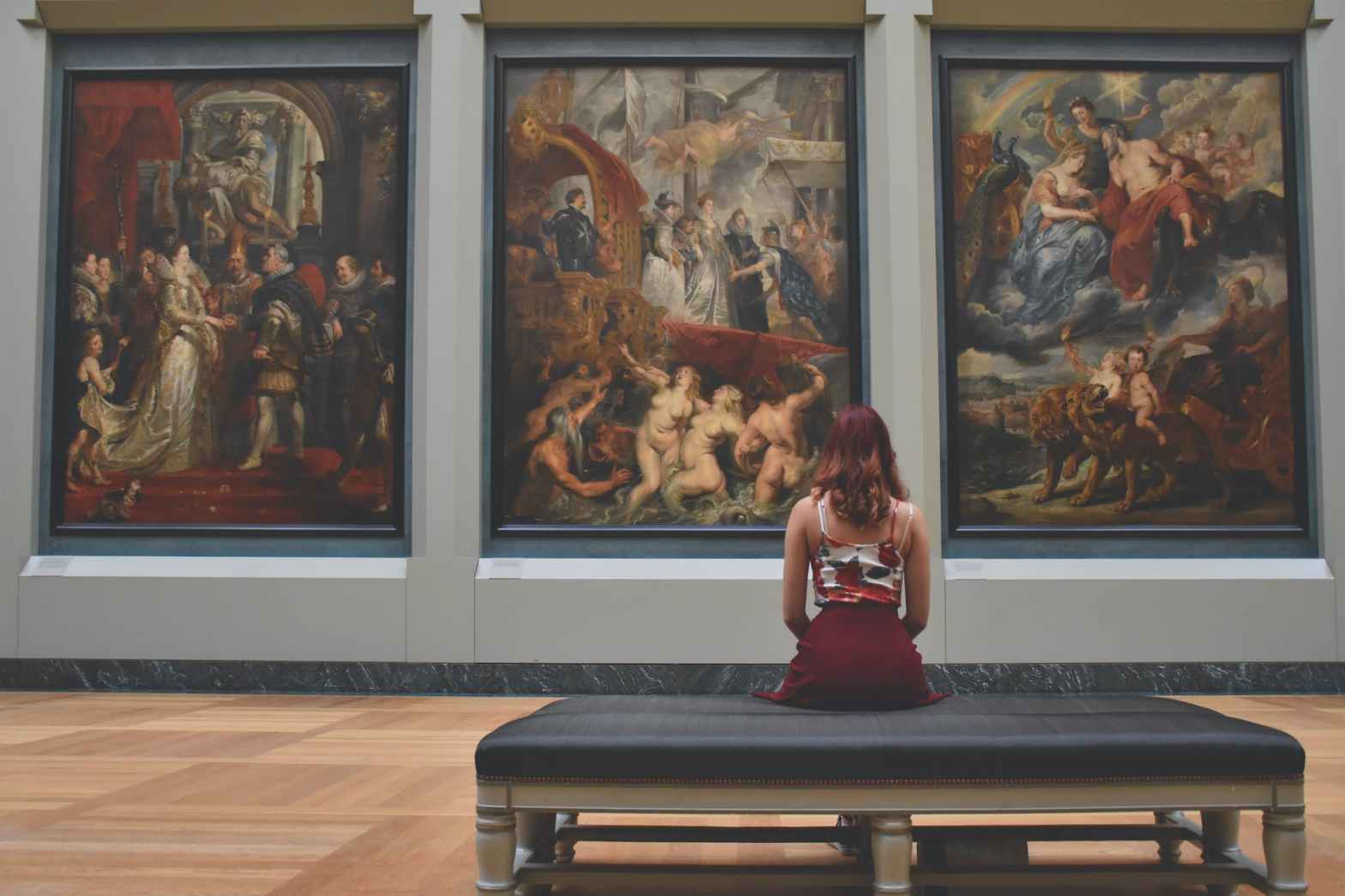
Creativity is not about finding something completely new. It is about taking what we already have and using it in new and unexpected ways. This is what makes human creativity so powerful and adaptable. While setting up a therapeutic arts and crafts studio back in the early 2000’s, it became clear to me thatContinueContinue reading “Human creativity is not a spontaneous act! “
The Diamond Model – creativity and social inclusion.
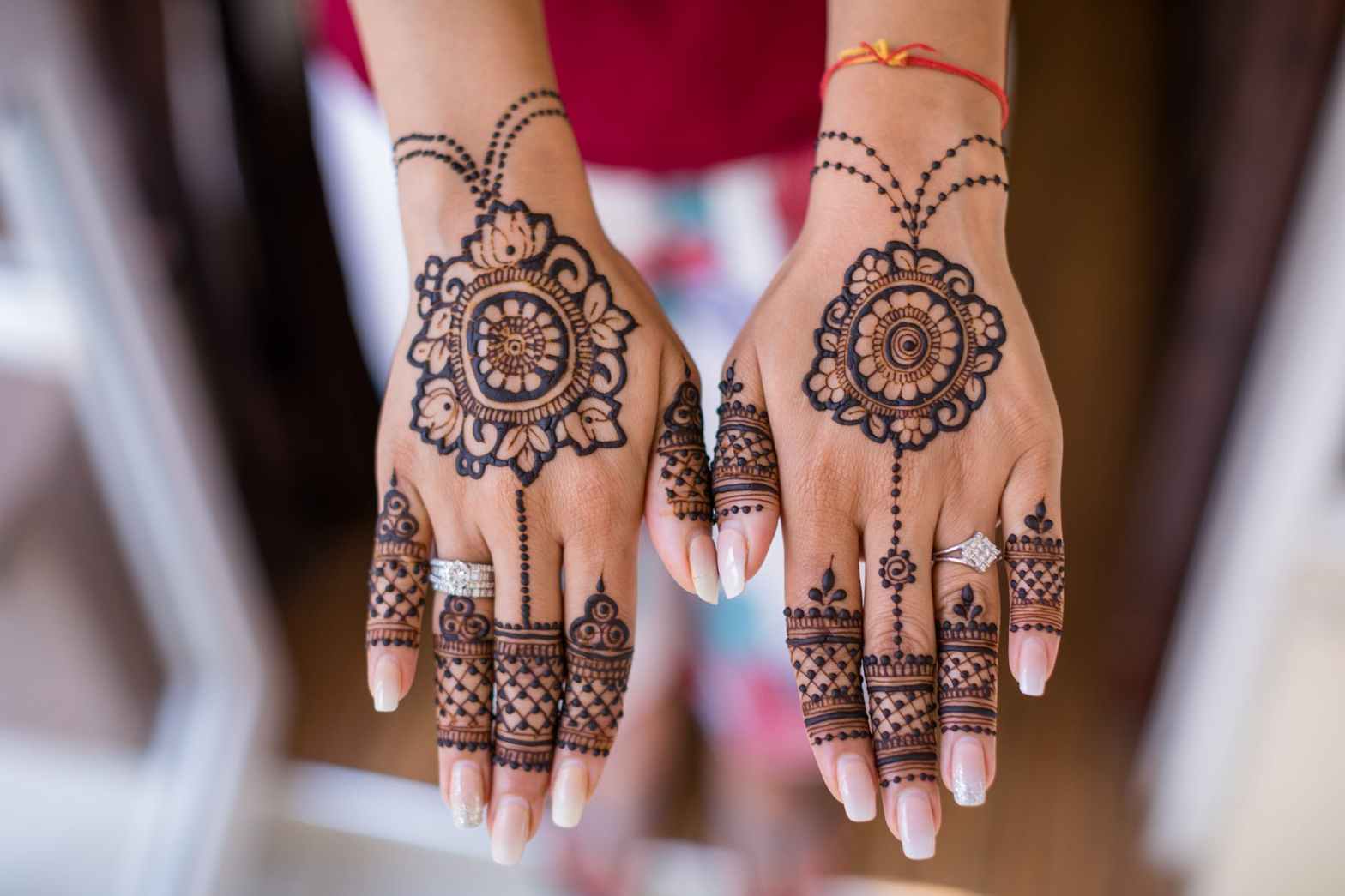
Approximately 10 years ago Gabriel Eichsteller and Sylvia Holthoff developed the theory of the Diamond Model. This model has within this short time already become one of the most powerful concepts in social pedagogical practice. What is the Diamond Model? The Diamond Model is a framework for understanding and promoting personal and social development, particularly inContinueContinue reading “The Diamond Model – creativity and social inclusion. “
Keep the rhythm – it’s good for you!

The concept of rhythm derives from Greek (ῥυθμός), rhythmos, meaning “any regular recurring motion, symmetry” Conscious awareness of rhythm plays a significant role in expressive arts, such as music, dance, and visual arts. It can convey emotions, create a sense of movement, and add structure to artistic expressions. In music, rhythm is fundamental to creatingContinueContinue reading “Keep the rhythm – it’s good for you!”
The Learning Zone Model.
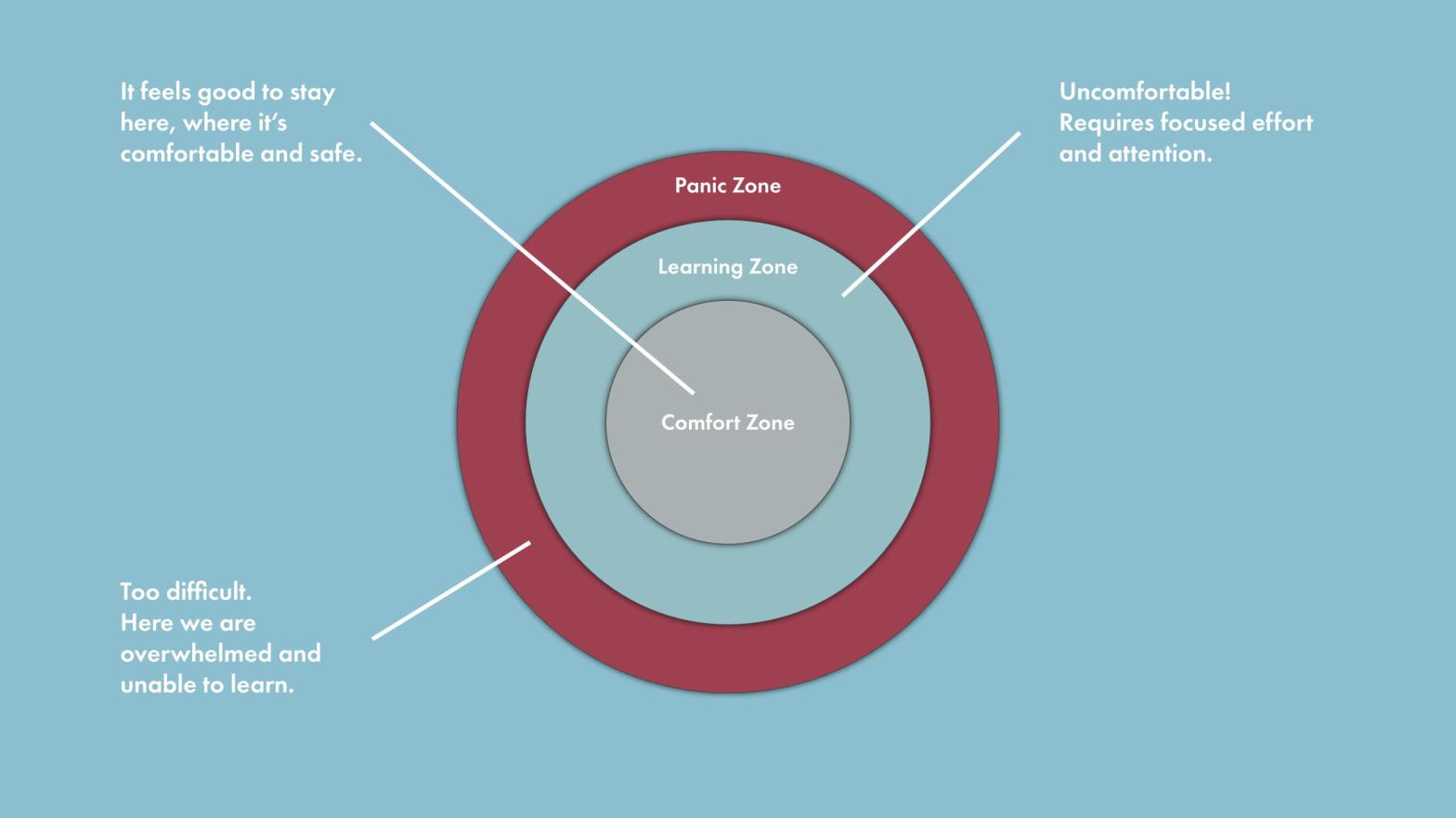
The Learning Zone Model demonstrates how – in order to learn successfully – we must be challenged. But the balance needs to be just right. Tom Senninger, a German Educator and Adventurer, formulated the Learning Zone Model, drawing inspiration from Lev Vygotsky’s Zone of Proximal Development. This model encourages us to view positive encounters asContinueContinue reading “The Learning Zone Model. “
Inclusive Art and the importance of Art created by the Atypical Artist.

Throughout the world there is a growing understanding that inclusive art has a lot to give to our understanding of the world we are living in. Inclusive art is about facilitating and empowering the development of our consciousness – artists from non-conventional backgrounds again and again show us new ways of understanding how we perceiveContinueContinue reading “Inclusive Art and the importance of Art created by the Atypical Artist.”
 AliusArt