
Here I am – it is a late afternoon in September 2024 and I am sitting in an airport (for the next 3 hours) on my way to Scotland to facilitate a workshop for 14 adults with additional support needs. We are going to spend the next 6 days recording an inclusive audio play! Since thisContinueContinue reading “The Magic of Audio Plays: Imagination, Creativity and Therapeutic Benefits.”
Tag Archives: creativity
Pedagogy vs Andragogy

Pedagogy and Andragogy are distinct teaching styles based on the learners’ age and development. Pedagogy is teacher-centered, focusing on children, while Andragogy is learner-centered, tailored to adults. Understanding these differences helps teachers create tailored, engaging learning experiences, leading to effective outcomes and enhancing professional competence. Both approaches cater to distinct learner needs and motivations.
Bend reality, break rules and blend it all up – it’s good for you!

Creativity allows you to bend reality, break rules and blend it all up, AND it is good for you! Through the processes of bending, breaking and blending we can empower our creativity (and creative thinking) and at the same time push the boundaries of conventional thinking, embracing experimentation and integrating new and diverse ideas. By consciously working with this concept, I believe, it not only fuels our innovationContinueContinue reading “Bend reality, break rules and blend it all up – it’s good for you! “
Creativity is not limited to a select few.

Many mistakenly believe creativity is only for artists and performers, hindering their potential for exploration and problem-solving. Creativity is innate and extends beyond art, manifesting in pattern recognition and innovative problem-solving. Fear of failure often stifles creativity, but embracing uncertainty unlocks new levels of innovation and problem-solving for all.
Creativity is inherently a social act.

When arranging and executing inclusive art conferences and music performances I have again and again experienced that creativity is not merely an individual pursuit; it is a social act that thrives on interactions, collaboration, feedback, and the exchange of ideas. Social context, feedback, validation, and recognition all play crucial roles in shaping, developing and motivatingContinueContinue reading “Creativity is inherently a social act.”
Human creativity is not a spontaneous act!
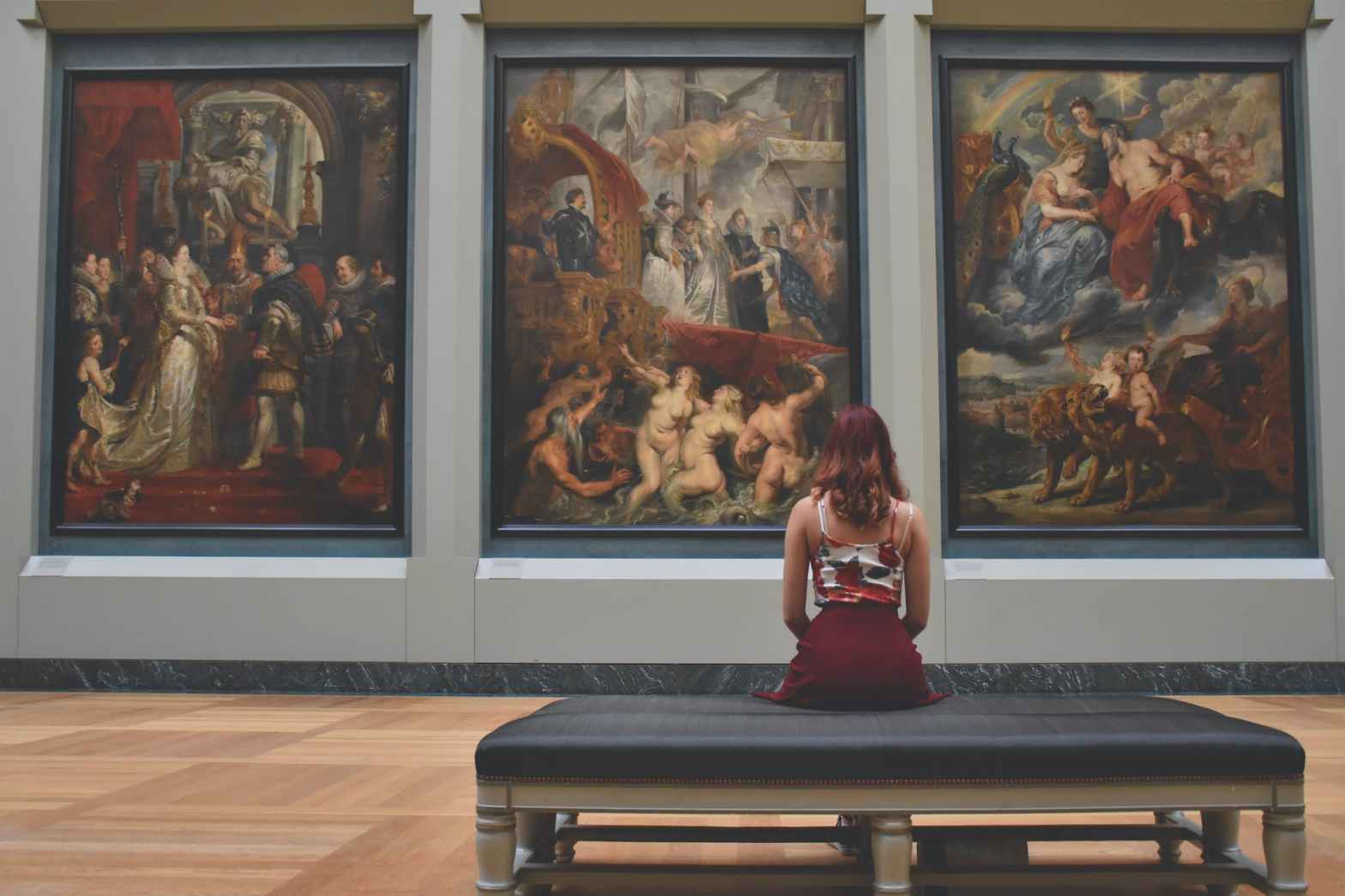
Creativity is not about finding something completely new. It is about taking what we already have and using it in new and unexpected ways. This is what makes human creativity so powerful and adaptable. While setting up a therapeutic arts and crafts studio back in the early 2000’s, it became clear to me thatContinueContinue reading “Human creativity is not a spontaneous act! “
The Diamond Model – creativity and social inclusion.

Approximately 10 years ago Gabriel Eichsteller and Sylvia Holthoff developed the theory of the Diamond Model. This model has within this short time already become one of the most powerful concepts in social pedagogical practice. What is the Diamond Model? The Diamond Model is a framework for understanding and promoting personal and social development, particularly inContinueContinue reading “The Diamond Model – creativity and social inclusion. “
How do you promote creativity?

A 10 step guide. Promoting other people’s creativity involves developing an environment that encourages and nurtures freedom, comfort and innovative thinking. By consciously incorporating the strategies below, you can foster a more creative environment in various settings, being it at work, in education, or in everyday life. Here are 10 steps to help you doContinueContinue reading “How do you promote creativity? “
Is human creativity the antidote to Artificial Intelligence (AI) concerns?

Artificial intelligence (AI) is capable of mimicking creative processes and providing tools for creative tasks, but it lacks the depth and breadth of human creativity particularly in terms of emotion, intuition, and originality. Human creativity, which manifests in innovative problem-solving, art, and personal fulfillment among other things, offers a solution as it empowers social change and evolution, and encourages continuous learning. Despite its limitations, AI can boost human creativity by aiding in idea generation and automating mundane tasks. The challenge lies in maximizing human creativity whilst leveraging AI’s strengths.
The Common Third.

The Common Third is the concept of using an activity to strengthen the relationship between yourself and another person or group. The Common Third empowers us, as practitioners, to create the possibility for engaging in activities where everyone can develop new skills and recognize personal development. What makes the Common Third particularly important is thatContinueContinue reading “The Common Third. “
 AliusArt