
When arranging and executing inclusive art conferences and music performances I have again and again experienced that creativity is not merely an individual pursuit; it is a social act that thrives on interactions, collaboration, feedback, and the exchange of ideas. Social context, feedback, validation, and recognition all play crucial roles in shaping, developing and motivatingContinueContinue reading “Creativity is inherently a social act.”
Tag Archives: lifestyle
Human creativity is not a spontaneous act!
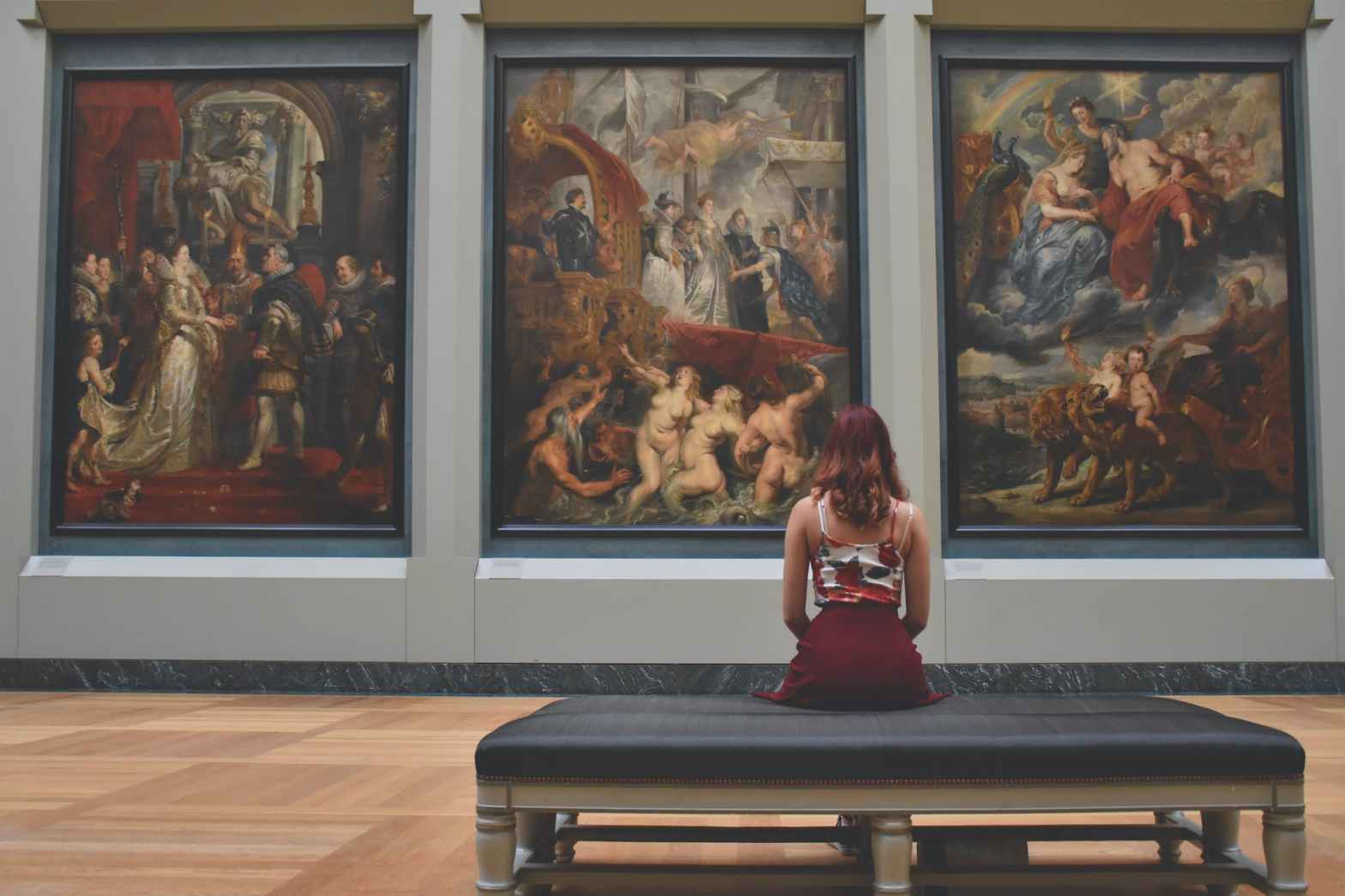
Creativity is not about finding something completely new. It is about taking what we already have and using it in new and unexpected ways. This is what makes human creativity so powerful and adaptable. While setting up a therapeutic arts and crafts studio back in the early 2000’s, it became clear to me thatContinueContinue reading “Human creativity is not a spontaneous act! “
The Diamond Model – creativity and social inclusion.
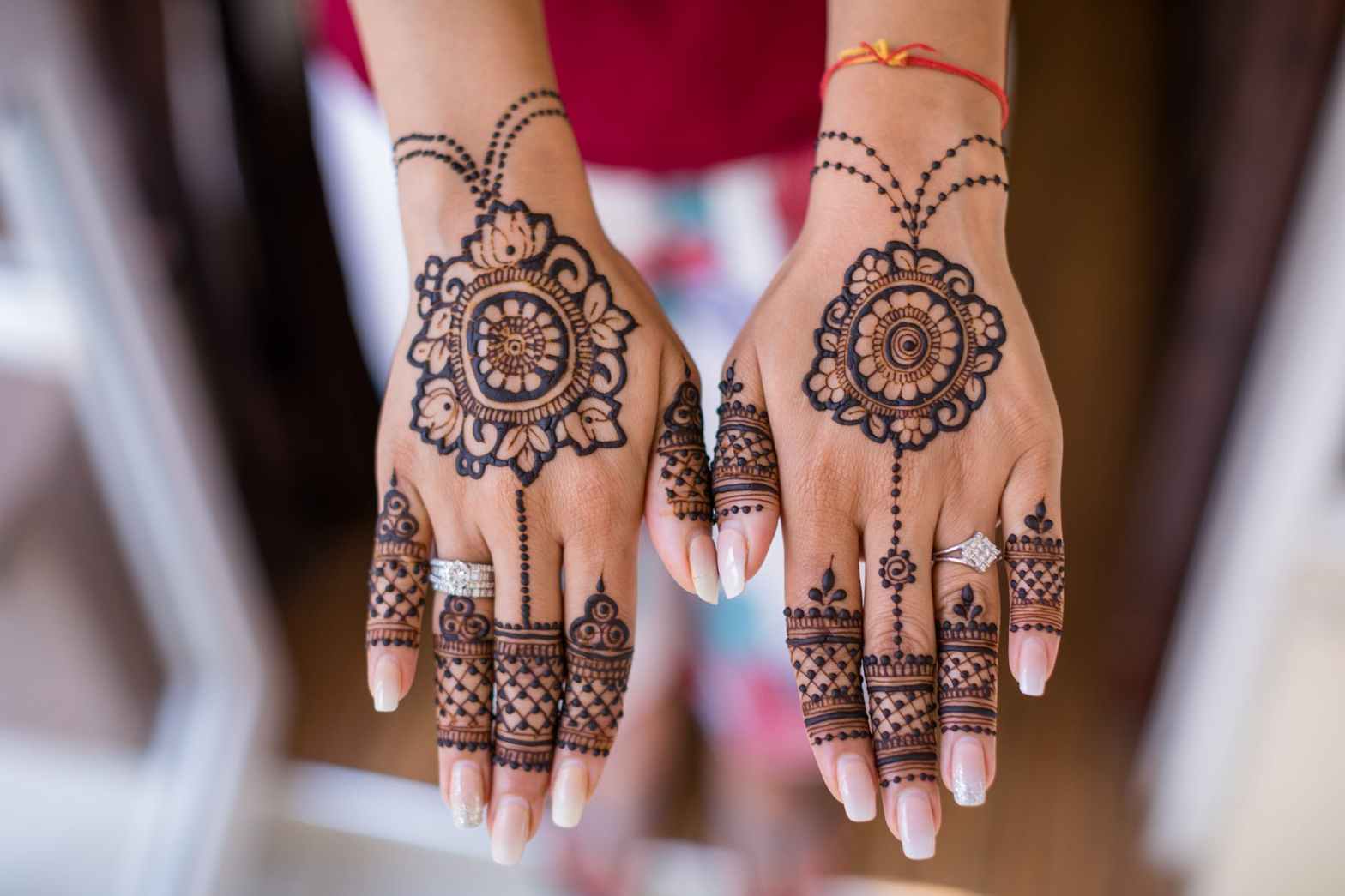
Approximately 10 years ago Gabriel Eichsteller and Sylvia Holthoff developed the theory of the Diamond Model. This model has within this short time already become one of the most powerful concepts in social pedagogical practice. What is the Diamond Model? The Diamond Model is a framework for understanding and promoting personal and social development, particularly inContinueContinue reading “The Diamond Model – creativity and social inclusion. “
Keep the rhythm – it’s good for you!

The concept of rhythm derives from Greek (ῥυθμός), rhythmos, meaning “any regular recurring motion, symmetry” Conscious awareness of rhythm plays a significant role in expressive arts, such as music, dance, and visual arts. It can convey emotions, create a sense of movement, and add structure to artistic expressions. In music, rhythm is fundamental to creatingContinueContinue reading “Keep the rhythm – it’s good for you!”
 AliusArt